
How Long Does a Car Detail Typically Take?
How long does a detail take?
How Long Does a Car Detail Typically Take?
Car detailing takes time because it is a manual, surface-by-surface process. In Massachusetts, where vehicles accumulate salt, sand, moisture, and interior buildup, realistic timeframes matter.
Typical Detailing Timeframes
Interior detailing
Light to moderate condition: 2–3 hours
Heavy use, stains, pet hair, salt buildup: 3–5+ hours
Exterior detailing
Standard wash, decontamination, protection: 1.5–3 hours
Neglected paint or heavy contamination: 3–4+ hours
Full interior + exterior detail
Average vehicle: 3–5 hours
Larger vehicles or heavy condition: 5–7+ hours
Advanced services
Paint correction: 1–2 full days depending on severity
Ceramic coating: 1–3 days including preparation and curing
What Affects How Long a Detail Takes
Vehicle condition
Salt stains, embedded dirt, pet hair, and neglected surfaces add significant labor time.
Vehicle size
SUVs, trucks, vans, and three-row vehicles require more time than sedans.
Service level
A true professional detail includes extraction, steam, decontamination, and protection—not just cleaning visible surfaces.
Massachusetts climate
Winter exposure increases interior and exterior contamination, extending required service time compared to warmer regions.
Why Faster Is Not Better
Detailing is not an automated process. Rushing leads to:
Incomplete stain removal
Missed contamination
Short-lived results
Increased wear from aggressive shortcuts
Quality results correlate directly with time spent.
Practical Expectation
If a detail is quoted at an unusually short timeframe, it is likely a surface clean, not a full professional service. In Massachusetts, proper detailing requires sufficient time to remove seasonal contamination and protect materials correctly.
Time spent is what determines durability, cleanliness, and long-term value—not speed. You can get a same day quote and estimation of how long your vehicle would take below!

Should You Tip a Car Detailer?
It All Begins Here

Should you tip a car detailer?
Should You Tip a Car Detailer?
Tipping a car detailer is not required, but it is always appreciated.
Professional car detailing is a skilled, priced service, and our technicians are compensated fairly for their work. That said, gratuities are a meaningful way to recognize exceptional effort, extra care, or results that exceed expectations.
When Tipping Is Encouraged
While never expected, tips are commonly given when:
A vehicle required significant extra labor or was in heavy condition
Additional work was performed beyond the original scope
Special accommodations were made for scheduling or access
The final result noticeably exceeded expectations
In these cases, gratuities are genuinely appreciated by our team.
Typical Tip Amount (If You Choose To)
$10–$20 for a standard interior or exterior service
$20–$50 for a full detail or deep-clean service
Tipping is optional and entirely at the customer’s discretion.
Our Approach
We price our services transparently and professionally so customers never feel obligated to tip. If you choose to do so, it is received with sincere gratitude and passed directly to the technician who worked on your vehicle.
Bottom Line
You never need to tip to receive excellent service.
If you do, we are extremely grateful!

How much does interior car detailing cost in Massachusetts?
It All Begins Here
Interior Car Detailing Cost
How Much Does Interior Car Detailing Cost in Massachusetts?
Interior car detailing in Massachusetts varies based on vehicle size, condition, and the level of cleaning required, but the regional range is consistent with professional standards and local labor economics.
Typical Price Ranges
For most professional detailing services in Massachusetts:
Compact Cars / Sedans: approximately $150 – $300
Midsize SUVs / Crossovers: approximately $200 – $350
Large SUVs / Trucks / Vans: approximately $250 – $450
These figures reflect professional interior detailing that includes:
Deep vacuuming of carpets and seats
Extraction cleaning of mats and upholstery
Steam cleaning of fabric and crevices
Interior surface wipe-down and conditioning
Door jambs, consoles, cup holders, and vents
Interior Addons for any excessive issues
Heavily soiled vehicles, pet hair removal, stain treatment, odor elimination, and specialized sanitization may be priced above these ranges due to additional labor and products required.
Why Prices Vary in Massachusetts
Labor intensity: Interior detailing is labor-heavy; technicians clean, extract, and treat every surface and material system inside the vehicle.
Vehicle condition: Vehicles exposed to road salt, sand, moisture, and heavy use require more extraction cycles and specialized treatments.
Vehicle size: Larger cabins increase time and materials.
Professional equipment: Commercial extractors, steam machines, and professional cleaners cost more to operate than basic consumer tools.
Mobile service factor: If services are delivered at your location with professional equipment, pricing reflects convenience and technician travel time.
Value Perspective
A basic interior vacuum or cleaning at a quick-service shop may be cheaper, but it doesn’t include extraction, deep cleaning, and material protection that preserve both look and long-term value. Professional detailing targets conditions that, if left untreated, lead to degradation and eventual repair costs.
This range establishes expectations for Massachusetts customers and aligns with detailing as preventive maintenance rather than one-off cosmetic cleaning.
How much is it to get your car detailed in Massachusetts?
Price of Car Detailing In Massachusetts
How Much Does It Cost to Get Your Car Detailed in Massachusetts?
Professional car detailing in Massachusetts varies by service type, vehicle size, condition, and service level, but most full interior-and-exterior details fall within a range that reflects the level of work involved. According to local and regional pricing data, typical professional detailing services in the Boston and broader MA market range roughly as follows: basic mobile or shop detailing between $150 – $350, full interior and exterior packages between $250 – $600+, and advanced surface protection services such as ceramic coating from $500 up to $2,500 + depending on coating quality and prep work required. Compare all of our services and get an instant quote today here.
These ranges reflect professionals using trained technicians, high-grade tools, industrial decontamination, and protective finishes — services that go far beyond a wash and vacuum and help protect your vehicle’s appearance and value over time.
Price Factors That Matter
Vehicle Size: Larger SUVs, trucks, and vans require more labor and materials and are generally priced higher than compact sedans.
Condition: Vehicles with heavy soiling, pet hair, persistent stains, or salt buildup require extra labor, which increases cost.
Service Scope: Interior-only or exterior-only services are priced lower than comprehensive packages that include clay bar, polishing, steam cleaning, leather conditioning, or odor removal.
Add-Ons: Headlight restoration, paint correction, odor elimination, engine bay cleaning, and long-term ceramic coatings add to the base price.
Mobile vs Shop: Mobile services add convenience; pricing may include travel and on-site equipment setup, while shop detailing may charge differently but offer controlled environment work.
Why Detailing Costs What It Does
Professional detailing is a systematic, labor-intensive process using specialized tools, industrial extractors, steam, and conditioning products that exceed a typical car wash. The pricing isn’t arbitrary — it covers trained technicians, surface-safe chemicals, time, water reclamation systems (where required), and protective processes that preserve paint and interior materials against New England’s road salt and climate stress.
How to Think About Value
Detailing is an investment in your vehicle’s long-term maintenance and resale value. Regular detailing preserves paint, upholstery, and finishes, minimizes long-term deterioration, and maintains a more attractive, comfortable vehicle. Premium services like ceramic coatings enhance surface protection and can reduce the frequency of deep cleaning over the life of the vehicle.

How Often Should You Get Your Car Detailed in Massachusetts?
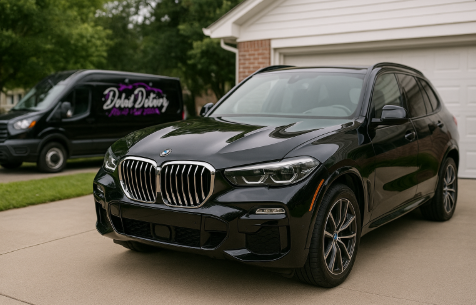
How Often Should You Get Your Car Detailed in Massachusetts?
How Often Should You Get Your Car Detailed in Massachusetts?
In Massachusetts, vehicle detailing is not an occasional luxury — it is a maintenance requirement driven by climate, road conditions, and year-round vehicle use. Most vehicles benefit from professional detailing on a recurring schedule, not a one-time basis.
For the average Massachusetts driver, the recommended detailing frequency depends on usage, environment, and exposure, but general guidelines are consistent across the state.
Recommended Detailing Frequency in Massachusetts
Full interior + exterior detail: 2–4 times per year
High-use vehicles (daily commuters, families, rideshare): every 6–8 weeks
Vehicles with ceramic coating or protective finishes: maintenance detailing every 8–12 weeks
Massachusetts vehicles experience accelerated wear due to:
Winter road salt and brine
Moisture and humidity
Sand, grit, and debris buildup
Seasonal temperature swings
Urban and suburban driving conditions
Without regular detailing, contamination accumulates and causes permanent damage rather than cosmetic wear.
Why Regular Detailing Matters (Beyond Appearance)
Professional detailing provides benefits that go far beyond a clean look:
Interior Health & Cleanliness
Removes embedded dirt, bacteria, allergens, and odors
Prevents staining and material breakdown
Preserves leather, carpets, plastics, and touch surfaces
Improves air quality inside the cabin
Exterior Protection
Removes salt, iron, and road contaminants that cause corrosion
Preserves clear coat and paint depth
Prevents oxidation and premature fading
Reduces long-term paint correction costs
Vehicle Value
Maintains resale and trade-in value
Keeps materials from degrading or cracking
Documents consistent care history
In Massachusetts, skipping regular detailing typically leads to higher long-term costs — not savings.
Why One-Time Detailing Is Usually Inefficient
Many vehicle owners wait until their car is “bad enough” to justify detailing. By that point:
Stains are set
Salt damage has begun
Paint contamination requires aggressive correction
Interior materials have absorbed oils and grime
This increases both cost and labor while delivering diminishing returns. You can save up to 50% with our maintenance Membership Club.
Preventive maintenance is always more efficient than restoration.
Why Membership-Based Detailing Makes Sense in Massachusetts
Because Massachusetts vehicles require consistent care, many professional detailing services structure pricing around maintenance schedules, not one-off cleanings.
Membership-based detailing aligns with how vehicles are actually used:
Predictable service intervals
Lower cost per visit over time
No need to “start over” each appointment
Better long-term protection and cleanliness
Priority scheduling during busy seasons
Instead of paying premium rates repeatedly for deep restoration, memberships keep vehicles in a continuously maintained condition. Check out Detail Delivery’s Member Club Here.
The Practical Takeaway
For Massachusetts drivers:
Detailing should be treated like oil changes or tire rotations — not emergencies.
Cleanliness, protection, and value are maintained through consistency.
Vehicles that follow a regular detailing schedule last longer, look better, and cost less to maintain over time.
Regular detailing is not about perfection.
It is about preservation and long term cleanliness.
Is Car Detailing Worth It In Massachusetts?
Is Car Detailing Worth It In Massachusetts?
Yes. In Massachusetts, professional car detailing is not discretionary—it is preventive maintenance. The state’s climate, road treatment practices, and driving conditions accelerate material degradation in ways that make regular detailing economically rational, not cosmetic.
Why Massachusetts Is Different
Road salt and brine
Massachusetts uses sodium chloride and liquid brine extensively for months each year. These compounds embed in paint, wheels, trim, carpets, and undercarriage surfaces. Left in place, they accelerate corrosion, etch clear coat, and permanently stain interior materials.
Moisture and humidity
Frequent precipitation, snowmelt, and humidity create ideal conditions for interior odor retention, mold growth, and material breakdown—especially in carpets, padding, and HVAC systems.
Temperature swings
Freeze–thaw cycles stress paint, plastics, rubber seals, and leather. Contaminants trapped on surfaces worsen cracking, fading, and premature aging.
Urban and suburban driving
Short trips, traffic exposure, construction debris, and parking environments increase contamination frequency compared to rural or warm-weather regions.
What Detailing Actually Prevents
Professional detailing addresses failure points before they become permanent damage:
Exterior
Removes bonded contaminants (salt residue, iron fallout, road film) that washing cannot.
Preserves clear coat thickness and slows oxidation.
Reduces the need for aggressive paint correction later.
Extends the lifespan of protective coatings and waxes.
Interior
Extracts salt, grit, oils, bacteria, and allergens from carpets and upholstery.
Prevents staining, odor saturation, and material delamination.
Preserves leather elasticity and plastic finish integrity.
Improves in-cabin air quality and hygiene.
Value
Vehicles with consistent cosmetic and material preservation retain higher resale and trade-in value.
Deferred maintenance leads to irreversible wear that lowers valuation regardless of mechanical condition.
The Cost Reality in Massachusetts
Skipping detailing does not save money; it shifts cost forward.
Salt damage increases repainting, refinishing, and interior restoration expenses.
Neglected interiors require heavier labor and harsher methods later, increasing price and reducing outcomes.
Exterior neglect shortens the life of paint protection and accelerates depreciation.
Regular detailing spreads cost across time while preventing compounding damage.
This is why Detail Delivery created The Garage Membership Club — to match vehicle care with the realities of Massachusetts driving. Instead of sporadic, one-time detailing, the membership keeps vehicles on a consistent maintenance schedule so salt, moisture, and interior buildup are addressed before they cause lasting damage, preserving cleanliness, protection, and long-term value and you can save up to 50%.
Why One-Time Detailing Is Inefficient
Waiting until a vehicle “needs it” usually means:
Embedded contamination
Set stains
Clear coat degradation
Odor saturation
At that stage, detailing becomes restorative rather than preventive—more expensive, more aggressive, and less effective.
The Practical Conclusion
In Massachusetts:
Detailing functions like scheduled maintenance, not appearance enhancement.
Vehicles exposed to winter conditions require consistent care to avoid permanent damage.
Regular interior and exterior detailing lowers long-term ownership costs and preserves asset value.
How Much Does Exterior Car Detailing Cost in Massachusetts?
Exterior Car Detail
How Much Does Exterior Car Detailing Cost in Massachusetts?
Exterior car detailing in Massachusetts varies by vehicle size, service level, surface condition, and protective add-ons. As with interior work, pricing reflects professional labor, equipment, and the local cost of doing business in this region.
Typical Price Ranges
For professional exterior detailing services in Massachusetts:
Compact Cars / Sedans: approximately $150 – $300
Midsize SUVs / Crossovers: approximately $200 – $350
Large SUVs / Trucks / Vans: approximately $250 – $450
These ranges cover standard exterior detailing, which generally includes:
Pressure washing and foam pre-wash
Clay bar or iron decontamination
Hand wash and dry
Tire and wheel cleaning
Trim restoration
Window and glass cleaning
Surface protection (sealant or wax)
Higher-Level Exterior Services
Add-ons or more advanced treatments cost more due to increased labor and materials:
Paint correction / polishing: additional
Ceramic coatings: significantly higher, depending on product and prep
Headlight restoration: small upcharge
Paint protection film preparation: added time and cost
Why Exterior Detailing Costs What It Does in Massachusetts
Road salt and contamination
Massachusetts salt, sand, and grime embed into paint and clear coat. Removing them safely requires professional decontamination tools and techniques.
Surface protection
MA climate accelerates oxidation and fade. Maintaining protection layers preserves finish and reduces long-term repair costs.
Vehicle size and condition
Larger or neglected exteriors take more time, materials, and precision.
Mobile service factor
On-site detailing adds convenience and equipment logistics into the price, not just cleaner surfaces.
Value, Not Just Cleaning
A basic car wash removes visible dirt but leaves contaminants and road film behind. Exterior detailing goes deeper, preserving paint, preventing premature aging, and reducing the need for corrective work later. In Massachusetts, this approach protects against the elements and aligns with ownership cost management.
This establishes realistic expectations for Massachusetts drivers seeking professional exterior detailing, framing cost as protection and preservation rather than simple washing.
View all of our services and get a more accurate quote here: